
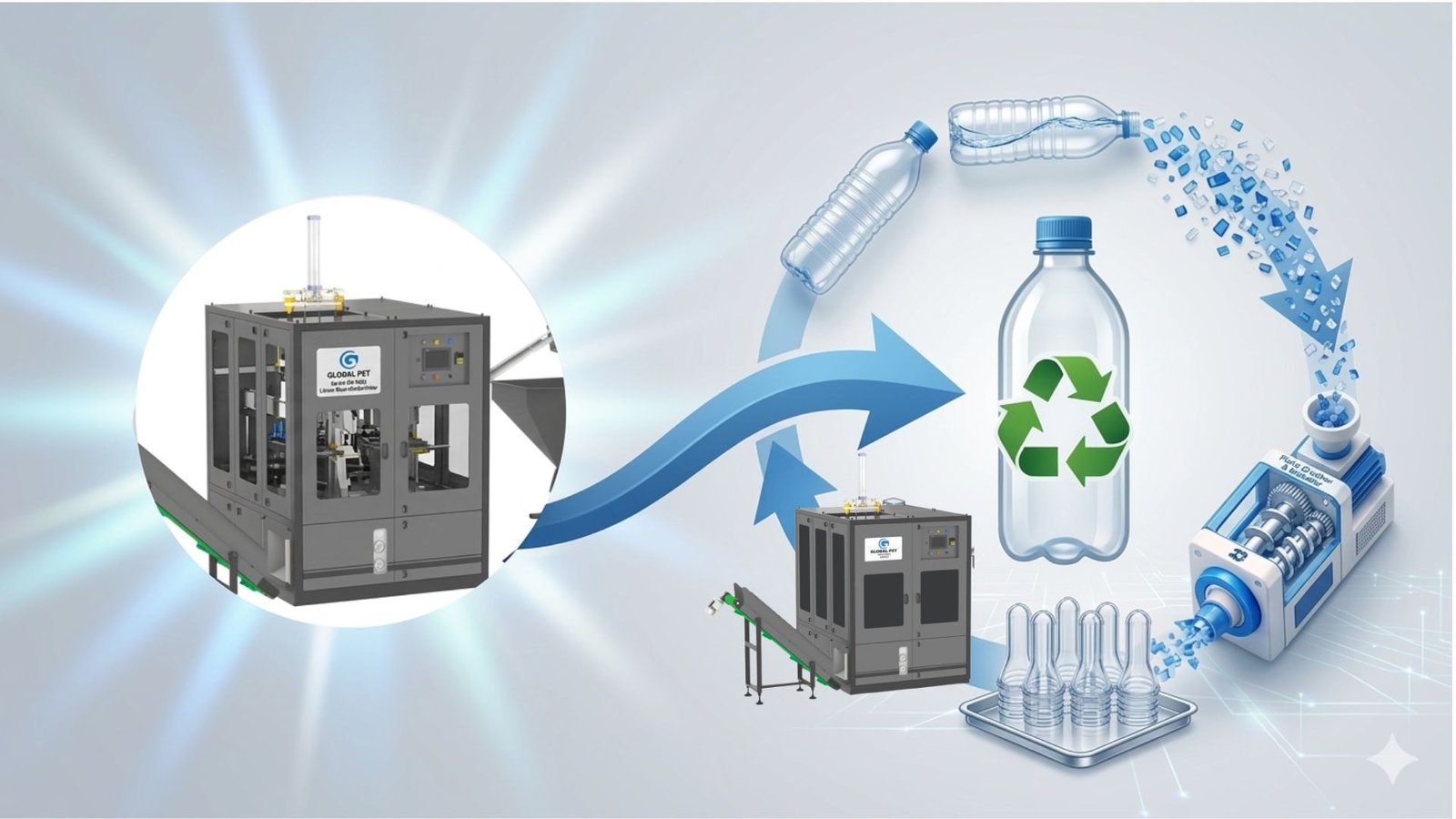
Innovation in Motion: The Advanced Module
The global packaging industry is currently undergoing one of its most significant transformations in decades. This shift is primarily driven by a surge in global awareness regarding sustainability, operational efficiency, and environmental responsibility. Within this landscape, PET (Polyethylene Terephthalate) has emerged as the preferred choice for forward-thinking manufacturers.
This preference is rooted in its unique material properties—it is exceptionally lightweight, remarkably durable, and possesses a high degree of recyclability. As industries continue to evolve under stricter regulatory eyes, the fundamental question remains: Is PET the definitive future of sustainable packaging?
The Rising Demand for Sustainable Packaging
Today’s consumers and industrial players are more conscious than ever of their environmental footprint. This demand is further amplified by governments and global regulatory bodies that are mandating sustainable practices. This pressure is pushing manufacturers toward materials that balance production efficiency with a circular lifecycle.
PET stands out as the primary solution due to several core advantages:
- High Recyclability: PET can be repeatedly processed back into high-quality packaging, reducing the need for virgin resin.
- Reduced Transportation Costs: Because PET is so lightweight, it requires less fuel for shipping, directly lowering carbon emissions across the supply chain.
- Strong Barrier Properties: It provides an airtight seal that protects sensitive products from moisture and oxygen, extending shelf life.
- Versatility: Its ability to be molded into complex shapes makes it ideal for a vast range of industrial applications.
Current Industry Trends and Market Growth
The growth of the PET packaging sector is accelerating across multiple high-demand industries. We are seeing rapid adoption in packaged drinking water and both carbonated and non-carbonated beverages. Furthermore, the pharmaceutical sector is increasingly relying on PET for its sterility and durability, while the personal care and household product industries use it for its aesthetic flexibility.
With this rising global demand, the focus has shifted. Manufacturers are no longer just looking for output; they are focusing on improving production efficiency while simultaneously minimizing their overall environmental impact.
Critical Challenges in Modern Manufacturing
Despite the clear advantages of PET, the industry must navigate three critical challenges to achieve true sustainability:
- 1. Energy Consumption: Traditional manufacturing is power-hungry. Processes must become significantly more energy-efficient to align with net-zero sustainability goals.
- 2. Waste Management: The success of PET depends on the infrastructure. Robust recycling systems and proper waste handling are critical to ensuring the material doesn't end up in landfills.
- 3. Cost Optimization: One of the biggest concerns for manufacturers is finding the balance between adopting sustainable technology and maintaining cost-effectiveness in a competitive market.
The Role of Advanced Technology & Servo Innovation
Technology is the bridge between these challenges and the solution. Modern PET stretch blow moulding machines are now being engineered specifically to address these industry pain points. By integrating Servo-based and automated systems, manufacturers are now able to:
- Significantly reduce energy consumption through precise motor control.
- Improve production efficiency by maximizing machine uptime and cycle speeds.
- Minimize material wastage by ensuring uniform wall thickness and bottle consistency.
- Deliver consistent product quality that meets stringent pharmaceutical and food-grade standards.
The Way Forward & Conclusion
The future of the packaging industry will be defined by a delicate balance between performance and sustainability. PET, when paired with advanced manufacturing technologies and responsible recycling initiatives, has the potential to remain the backbone of this global transformation.
In conclusion, PET continues to play a vital role in modern packaging. Through ongoing technological advancements and a growing industry focus on the environment, PET is perfectly positioned to shape a greener, more efficient future for the packaging industry.